Start with your priorities, not a generic shot list.
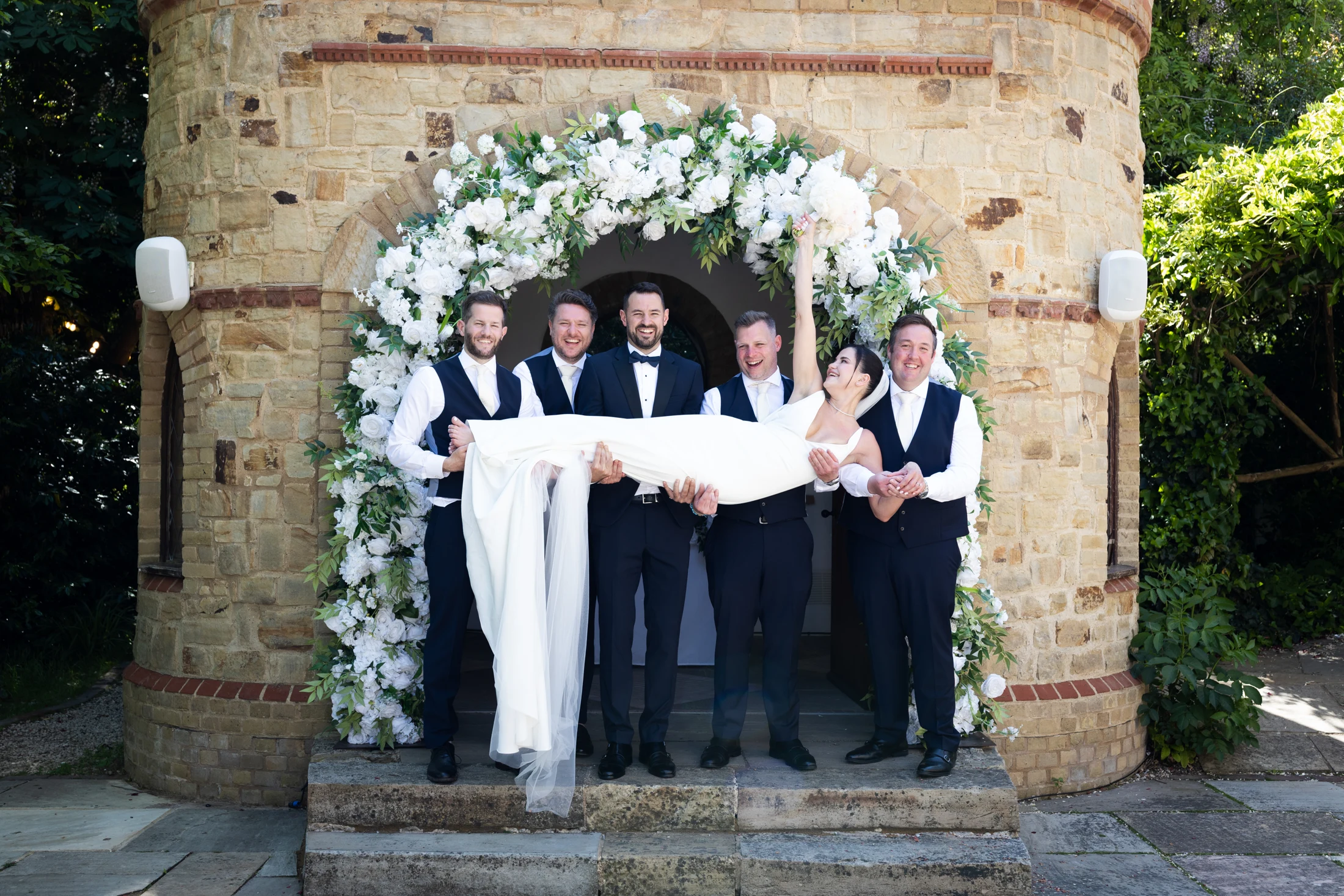
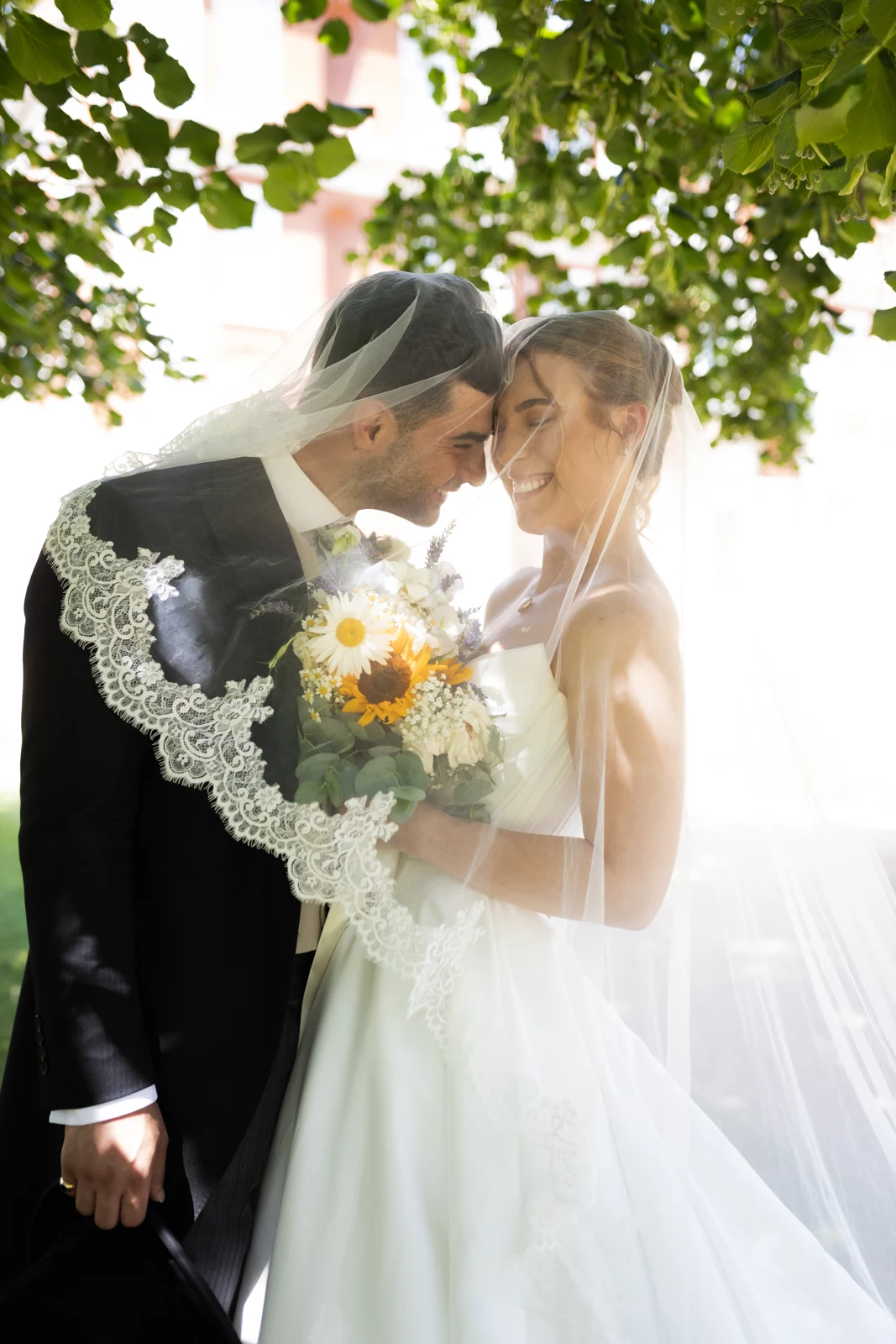
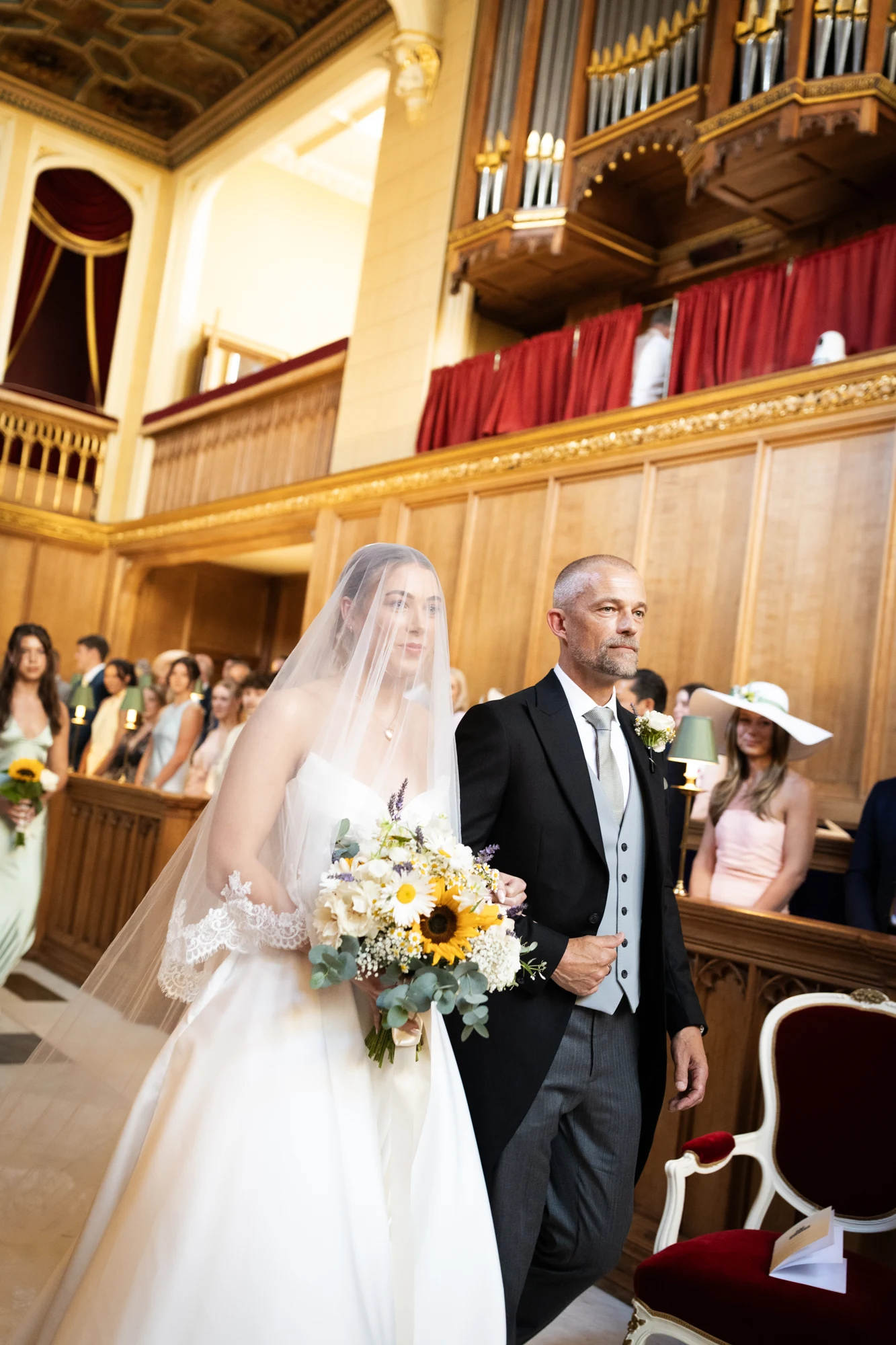
Tell me what you are most looking forward to and which photographs you would be upset not to have. It may be a portrait with a grandparent, an emotional ceremony, beautiful photographs together or the energy of the party. Your priorities help shape the plan.
Bring a few visual references if that makes it easier to explain your taste. I want to understand what you love about them, rather than give you somebody else’s wedding.
Talk through the practical details.
Share the full timeline, addresses and travel arrangements. Include dressing, group photographs, couple portraits, speeches and traditions. Ask your ceremony venue about photography rules, where I can stand and whether there are restrictions on movement or flash.
Surprises need somebody to tell me when and where they will happen. You can keep a surprise from your partner while allowing the person organising it to brief me.
Have the sensitive conversations privately.
Tell me about family combinations to avoid, guests with mobility needs and anything that will make portraits easier for you. I do not need your whole family history. I need enough information to arrange things with care.
The same applies if you feel nervous in front of the camera. It is much easier to plan a comfortable approach when we have talked about it first.
Finish with clear expectations.
Confirm the package, payment arrangements, delivery expectations and any extras you have discussed. A small video reel or drone photographs should never be assumed simply because you have seen them in another wedding. Possibilities depend on the booking and the circumstances.
In the final week, share the agreed plan with the people who need it. Aim for clarity rather than adding another layer of complexity.
The complete guide & workbook
Your planning companion.
Bring the practical details together with my complete wedding preparation guide and planning workbook, available to purchase on Whop.
Buy the complete guide on Whop →